





I. Introduction
You might be eager to get your hands on the latest Apple Watch, seduced by its faster processor, enhanced features and sleek design. However, before you dive headlong into that purchase, let's make a pit stop to consider whether an immediate upgrade is truly necessary. There’s an array of factors you should consider before making your decision, such as software compatibility, performance, battery life, and the often-overlooked aspect of cost efficiency. Your personal preferences and use cases are also critical considerations in this process. So, play along as we explore this terrain and hope to save you some valuable time and money!
Software Compatibility
A key factor in deciding whether to upgrade your Apple Watch is considering its software compatibility. Although the allure of the latest watchOS might be compelling, you might want to verify if it will work seamlessly with your current devices and systems. Do you really want to deal with potential compatibility issues that could arise?
More often than not, Apple ensures that its new software updates are backward compatible, meaning older devices can also run the latest updates. So, before rushing to purchase the new Apple Watch for its advanced software, you should explore whether your existing device can run the same software. You might be surprised to find that your current watch is equally capable of executing these new enhancements with only a simple software update.
Performance and Battery Life
The performance of the latest Apple Watch may indeed outclass its predecessors. Yet, do those added horsepower and increased responsiveness truly make a significant difference in your day-to-day usage? Unless you’re a power user who needs to run highly demanding apps, the performance upgrades might be rather superfluous for everyday tasks like checking notifications, fitness tracking, or using basic apps.
Furthermore, consider the impact of battery life. Newer devices often come with power-hungry features that can drain battery life faster. If longer battery life is important to your daily routine, sticking with your older model, which likely has a more stable and optimized battery performance, might be a wiser choice.
Cost Considerations
One cannot ignore the elephant in the room - the cost of the new Apple Watch. It's essential to evaluate whether the features of the new model genuinely justify its increased price tag. Often, numerous so-called upgrades are minor adjustments that contribute little to the practical user experience. Thus, before splurging on the latest Release, evaluate whether its features substantively enhance your current watch experience. Upgrading for the sake of owning the latest model might not be the most financially prudent decision.
Personal Preferences and Use Cases
Finally, it's paramount to consider your personal preferences and use cases. Despite all the factors mentioned above, at the end of the day, your Apple Watch needs to cater to your specific needs and desires. If there's a feature in the new model that can make a significant improvement in your daily routine or supports a hobby or a fitness goal, then, by all means, go for it. Remember, the best watch for you is the one that best fits your lifestyle and preferences.
In conclusion, upgrading to the latest Apple Watch should not be an impulsive decision. Instead, it should be grounded on thorough research and careful consideration based on various factors and your unique needs. We hope this article provides a comprehensive guide to inform your decision-making and, possibly, save you from unnecessary expenditure.
The Latest Apple Watch Release
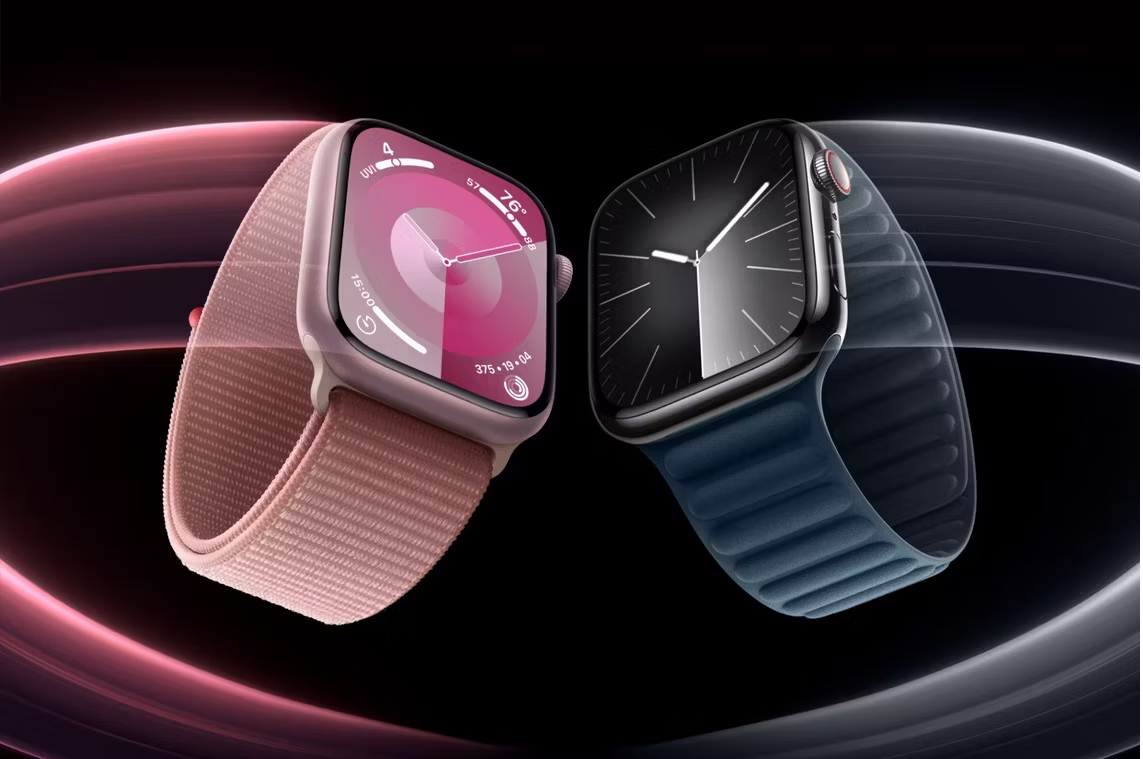
The most recent iteration of the Apple Watch no doubt brings a plethora of exciting features on the table. From dazzling display enhancements to state-of-the-art health tracking capabilities, it's understandable why Apple enthusiasts might be itching to strap the new gadget around their wrist. But, we pose the question, "Is it really necessary to upgrade right away?" Let's explore the concept of software compatibility to proffer some perspective.
Compatibility and Software Updates
Before you rush to upgrade your Apple Watch, let's delve into the nuances of compatibility and software updates - a factor of immense importance, yet often overlooked. As users, we get drawn to the shiny, new hardware, but it's the software that truly drives our experience on these devices.
The Benefit of Backward Compatibility
Apple is known to strike a balance between pushing new tech frontiers while fostering backward compatibility. This means that new versions of their watchOS often run smoothly on older devices. An Apple Watch you purchased years ago could still reliably offer the latest features of the WatchOS so long as it falls within the compatibility range. This buckles the trend of forced obsolescence that is commonly witnessed in the tech world, and emphasizes a reality many of us often overlook: upgrading the software can breathe fresh life into existing hardware.
Software Updates: More Than Just New Features
Regular software updates by Apple do more than just introduce new features. These updates patch security vulnerabilities, fix bugs, and optimize your device for better performance. They can remarkably extend the usability and longevity of your current Apple Watch model, thereby reducing the need to upgrade hardware so frequently. Your watch might already be capable of more than you think with just a software update!
The Dual-edged Sword of New Software on Old Hardware
The narrative, however, isn’t solely rosy. It's worth noting that new software installed on older hardware can sometimes cause unforeseen issues. The performance might not be as smooth as you'd expect, or there could be unexpected battery drain. As software becomes more complex, it often requires more processing power and battery life. However, it's worthwhile to consider if these minor compromises are worth the substantial cost of a new device, when your current one can still serviceably fulfil your needs.
In sum, software compatibility and updates deserve serious consideration when deciding on an upgrade. Does the perceived benefit of new hardware actually outweigh the potential of your current device coupled with the right software? Might not this be money well spent elsewhere? The answers to these questions could hint at why delaying your Apple Watch upgrade might be a wise move indeed.
Health and Fitness Features
Delving into the realm of health and fitness, it becomes apparent that the overall advancements made in the recent models of the Apple Watch may not necessarily translate into sufficient reasons for an immediate upgrade. Let's unpack this crucial feature set and examine its value closely.
Health Monitoring Capabilities: While it's true that each new iteration of the Apple Watch brings in an expanded range of health tracking features, it's worthwhile to ask yourself how many of these features you would actually utilize. For instance, the ECG and blood oxygen sensors introduced in recent models are impressive additions. Yet, are they vital to your everyday needs? If you are generally in good health and without any particular need for constant monitoring of these metrics, an Apple Watch Series 3 or 4 could serve you equally well without necessitating a costly upgrade.
Fitness Tracking Enhancements: Major enhancements in fitness tracking primarily revolve around detailed workout insight and improved notifications. However, one must remember that these upgrades, while certainly beneficial, are often incremental at best. Simple activities like steps counting, running, and basic workouts are handled quite proficiently even by older Apple Watch versions. Thus, unless you fall into the category of serious athletes or fitness enthusiasts who require detailed analysis of their performance, the new features might not warrant an immediate investment.
Lastly, it's notable that many of the software enhancements related to health and fitness tracking are available to older Apple Watch models as well, thanks to the continuous updates to WatchOS. This deflates the urgency of an upgrade, especially for users whose primary usage centers around health and fitness functionality.
To conclude, before you consider paying a hefty sum for the latest Apple Watch, it wise to assess the actual difference such an upgrade will bring to your health monitoring and fitness tracking habits. The anticipation of new trends should never eclipse the consideration of individual necessities and usefulness of the features.
Personal Preference and Use Case
If you're thinking about updating your Apple Watch to the latest model, we invite you to pause for a moment and consider some key factors before you proceed. In this article, we delve into why delaying your Apple Watch upgrade may be a strategic move. This comprehensive discussion explores crucial areas such as software compatibility, performance and battery life, cost implications, and the importance of considering your personal preferences and individual use cases. Additionally, we will take an in-depth look at health and fitness features and present you with alternative options that may better match your needs. Each topic holds unique insights that could save you both time and money on your next Apple Watch upgrade.
"Technology should serve as a tool that makes your life simpler, not as a headache source. Therefore, when considering upgrading your gadgets like Apple Watch, it's crucial to perhaps not rush into it but rather consider what value the new device adds to your life."
Stay with us as we evaluate each aspect in detail, articulating how both second and third-generation Apple Watches stand against the newer models. We aim to provide an objective analysis that guides you in your decision-making process. Keep in mind that the perfect model for you might not be the latest—it could be an older, reliable version, or even a different brand altogether! Now, let's commence with our exploration!
Alternative Options
If you've been deliberating the idea of upgrading your current Apple Watch, you may want to consider other worthwhile alternatives. Here, we delve into a plethora of excellent smartwatch options that fall beyond the Apple ecosystem. Of course, whether these choices resonate with you or not significantly depends on your individual preferences and technology requirements. Nonetheless, a thorough exploration could reveal a previously over-looked device that is more attuned to your specific lifestyle, goals, and budget.
Samsung Galaxy Watch3: An excellent smartwatch gem that goes beyond fitness tracking and dips its high-tech toes into the realms of your health. Samsung Galaxy Watch3 brings superior capabilities including blood oxygen (SpO2) tracking, core fitness and sleep features, and an FDA-approved EKG for heart health. It flaunts a striking design, impressive battery life, and fantastic compatibility with Android devices as well as solid iOS compatibility.
Fitbit Versa 3: This smartwatch is a standout performer in the realm of health and fitness. Known for its excellent sleep tracking as well as heart rate monitoring, Fitbit Versa 3 is also equipped with built-in GPS, voice assistant support, and the ability to store and play music, making it an ideal fitness partner for those on a budget.
Garmin Fenix 6: Specifically designed for outdoors and sport enthusiasts, Garmin Fenix 6 boasts a range of highly detailed health and fitness features. Its rugged design, crisp and clear display, astounding battery life, and advanced training metrics make it perfect for users seeking a robust and high precision smartwatch.
Before making a leap into an upgrade or alternative options, one should consider several key factors. Remember that every smartwatch while impressive on certain fronts, may not necessarily encompass all personal requirements or preferences. You need to consider compatibility, design, features, battery life, durability, and of course, cost. Focusing on your individual needs, prioritize what you find important in a smartwatch, only then can you make an informed and satisfying decision.
Conclusion
There's a pulsating excitement that accompanies the unveil of every new Apple product. This tech giant certainly knows how to whip up a storm with its sleek devices, innovative features, and liberty-promising technology. However, when it comes to the Apple Watch, upgrading to the latest model might not always be the best course of action. Instead, keeping some savvy pointers in mind and critically evaluating the urge to upgrade can pay dividends.
"Early adoption is an exciting prospect. However, the practicality of an upgrade often lies in the details."
The following passages delve deep into those critical factors which warrant consideration before you dive headfirst into purchasing the newest Apple Watch. The aspects of software compatibility, performance and battery life, cost considerations, personal preferences and use cases, health and fitness features, and alternative options all bear significant weight in the ultimate decision. Here's a glance at what each entails:
- Software Compatibility: How well does the new model align with the device ecosystem you already own?
- Performance and Battery Life: Is there a noticeable improvement in performance and energy efficiency compared to your current model?
- Cost Considerations: Does the pricing of the new model justify the benefits it brings?
- Personal Preferences and Use Cases: How do the new features serve or interfere with your individual needs and habits?
- Health and Fitness Features: Do the latest health functionalities actually deliver substantial benefits?
- Alternative Options: Considering all defaults, are there alternatives that could better serve your needs and pocket?
By carefully analyzing each of these elements, this article aims to empower you to make an informed decision, one that's based not just on the dazzling appeal of the new, but also on the pragmatic evaluation of what truly works best for you. So, let's delve into why you should probably delay your Apple Watch upgrade...
FAQ
- Is it necessary to upgrade my Apple Watch for new features?
Well, quite not. Apple, being the consumer-focused company it is, has ensured that most new features are software-based, thus, available on older models through software updates. This means you can enjoy most of the latest features without needing an actual hardware upgrade. Say hello to a refreshed user experience without spending extra! However, it's worth noting that a few high-end features do rely on the hardware of the latest models. Therefore, unless these exclusive features are a must-have for you, there's probably no pressing need to upgrade right now.
2.How does software compatibility affect my Apple Watch upgrade?
One of the key considerations in upgrading your Apple Watch is software compatibility. Apple supports older devices with software updates for several years, meaning your existing Apple Watch could still receive important updates, enhancements, and new features rolled out by Apple. In some cases, the latest software update could cause your older model to perform less efficiently due to hardware constraints. Hence, rushing to the newest model in anticipation of these updates might not only prove unnecessary but also burden your device with performance issues. Therefore, diligently evaluate your current and prospective software requirements and the implications they have on your Apple Watch's performance. This understanding will not only save you money but also optimize the utility of your Apple watch.
- What are the benefits of software updates for my Apple Watch?
Software updates for your Apple Watch offer myriad benefits that significantly enhance your user experience. Firstly, they frequently contain essential bug fixes that aim to rectify any software issues or glitches that might be hindering the optimal performance of your device. Secondly, these updates also comprise vital security upgrades that fortify your Apple Watch against potential cybersecurity threats. But the advantages don't stop there. New updates regularly introduce innovative features and improvements, enhancing your smartwatch's functionality and interface. From new workout modes to advanced health tracking capabilities, software updates ensure your device keeps pace with the fast-evolving world of wearable technology. So, while it may be tempting to jump into purchasing the newest model, remember that regular software updates can make your current Apple Watch feel like a brand-new device. However, it's a wise move to consider the overall compatibility of these updates with your current model. Some latest updates might put an unnecessary strain on older models, leading to detrimental effects on the battery life and performance. Therefore, analyzing the performance impact of new software updates on your current Apple Watch model should be an integral part of your upgrade decision. In summary, while software updates bring considerable benefits, they can also influence the lifespan and performance of your existing device. Navigating this delicate balance will help you discern whether it's the right time to upgrade or if your current Apple Watch still has plenty to offer.
- Should I be concerned about performance differences in new Apple Watch models?
Performance is certainly a critical aspect to consider when contemplating a watch upgrade, and naturally, one would assume that newer models would offer enhanced capabilities. However, in the case of Apple Watches, this might not be a significant factor. Apple's smartwatches consistently deliver high-quality performance across all models, based on their well-engineered hardware and well-optimized software systems. The speed, responsiveness, and functionality differences between new and older models are often marginal, particularly for everyday tasks. So, before making a quick decision to upgrade purely based on performance, consider if the performance enhancements will truly affect your specific usage patterns.
- What impact does the battery life of my Apple Watch have on daily usage?
Battery life is a critical aspect of your Apple Watch experience. With each new model, Apple promises improved battery performance, but it may not always equate to significant enhancement for your personal use. Your watch's battery life determines the range and duration of tasks you can perform daily without the need to recharge, including fitness tracking, managing notifications, and staying connected. Opting for an upgrade primarily for longer battery life could be an unnecessary expenditure, particularly if your current Apple Watch meets your needs decently. You might, for instance, be using your watch predominantly for checking time and receiving notifications; tasks that hardly drain battery life. Therefore, considering your watch usage pattern is crucial in making an informed decision about upgrading. It illustrates convincingly why delay could indeed be beneficial.
- How can I save money while upgrading my Apple Watch?
Frequently, your existing Apple Watch will perform at or near the level of the latest model with just a software upgrade. Apple is renowned for its exemplary support for older devices in this regard. Therefore, right off the bat, you stand to save substantial money by not upgrading straightway. Battery life is another factor worth your consideration. As technology advancements occur rapidly, newer models often boast of enhanced battery life. However, if your current watch is still offering robust battery life, the cost of upgrading to the latest model may not justify the incremental improvement. The performance of the Apple Watch is more or less consistent across different models. Admittedly, the latest models might claim a minor edge over older ones in terms of raw power, but in day-to-day usage, the noticeable difference could be minimal, thus making the upgrade cost-prohibitive. Last but by no means least, ponder upon your personal usage and preferences. If your present Watch meets your needs and expectations, the need for an upgrade might be luxury rather than a necessity. By holding off on that purchase, you bit adieu to unnecessary expenditure.
- What are the alternatives to upgrading my Apple Watch?
Instead of hastening to upgrade your Apple Watch, there are plenty of alternative routes to explore that can enhance your smartwatch experience while being economic. Sticking with your current Apple Watch model and simply optimizing its software is a prudent first step. Regular updates often provide significant improvements in terms of performance and software features. Pair this with the vast ecosystem of apps available, and you might be surprised at how much you can squeeze out from your existing model. Additionally, investing in accessories could be another smart approach. For instance, different watch bands can give an entire new aesthetic feel. Or, a good-quality screen protector or case could amplify its longevity and save you from pricey repairs. Moreover, considering alternative brands might also be worth your time. The smartwatch market is teeming with competitors like Samsung, Garmin, and FitBit, offering comparable or even superior features at diverse price points. It's all about assessing what meets your specific needs and preferences the most effectively.
- Which health features in the latest Apple Watch are worth upgrading for?
When it comes to health features, the latest Apple Watch indeed offers new advancements, but it's critical to assess whether these enhancements genuinely warrant an immediate upgrade. For instance, the blood oxygen level tracking and always-on altimeter on the latest models may seem appealing. However, unless you're an athlete or someone who requires consistent tracking of these parameters, your existing model might serve your health tracking needs just as efficiently. Moreover, the most popular health features like heart rate monitoring, activity tracking, and sleep tracking are available across all recent models. So, before taking the plunge, weigh the novelty of the added features against the practicality of use in your everyday life.
- How do I choose the best smartwatch for my lifestyle?
Choosing the optimal smartwatch to suit your lifestyle extends far beyond the allure of sleek designs and popular brand names. To make a decision that truly benefits your everyday routine, it's crucial to think about the specific features that align with your needs. Perhaps you're a fitness enthusiast seeking advanced health tracking, or maybe you prioritize seamless communication with your digital devices. Such considerations should steer your choice. Furthermore, it's wise to stay informed about the software compatibility of different smartwatch models. For instance, an Apple Watch works best in the Apple ecosystem, maximizing its functionalities when paired with other Apple devices. However, you may prefer a smartwatch broadening its compatibility range if you're using non-Apple gadgets regularly. Beyond these, performance and battery life become key deciding factors. A smartwatch that lags or requires frequent charging disrupts your experience and could potentially frustrate you. Always research and compare these technical aspects before getting your hands on a new smartwatch. Lastly, costs can't be overlooked when selecting a smartwatch. High-end options like the Apple Watch certainly come with advanced features, but the question remains - is the upgrade worth the extra expense? Oftentimes, earlier models could offer comparable functionalities for a fraction of the price. Therefore, assessing all facts and evaluating individual preferences and requirements before purchasing becomes indispensable. In conclusion, the best smartwatch for your lifestyle is highly personal, contingent on your tech-savvy nature, the compatibility of your devices, your budget, and your specific needs and preferences. Remember to remain informed and weigh all aspects to make an upgrade decision that truly adds value to your life


